Curriculum
A Living, Breathing Approach to Learning
A Living, Breathing Approach to Learning
At Lignum Vitae, learning is not about filling in worksheets or memorizing isolated facts. Our curriculum is alive, driven by student interests, rooted in real-world experiences, and designed to integrate seamlessly across all academic disciplines.
Aligned with the Plan d'Études Romand
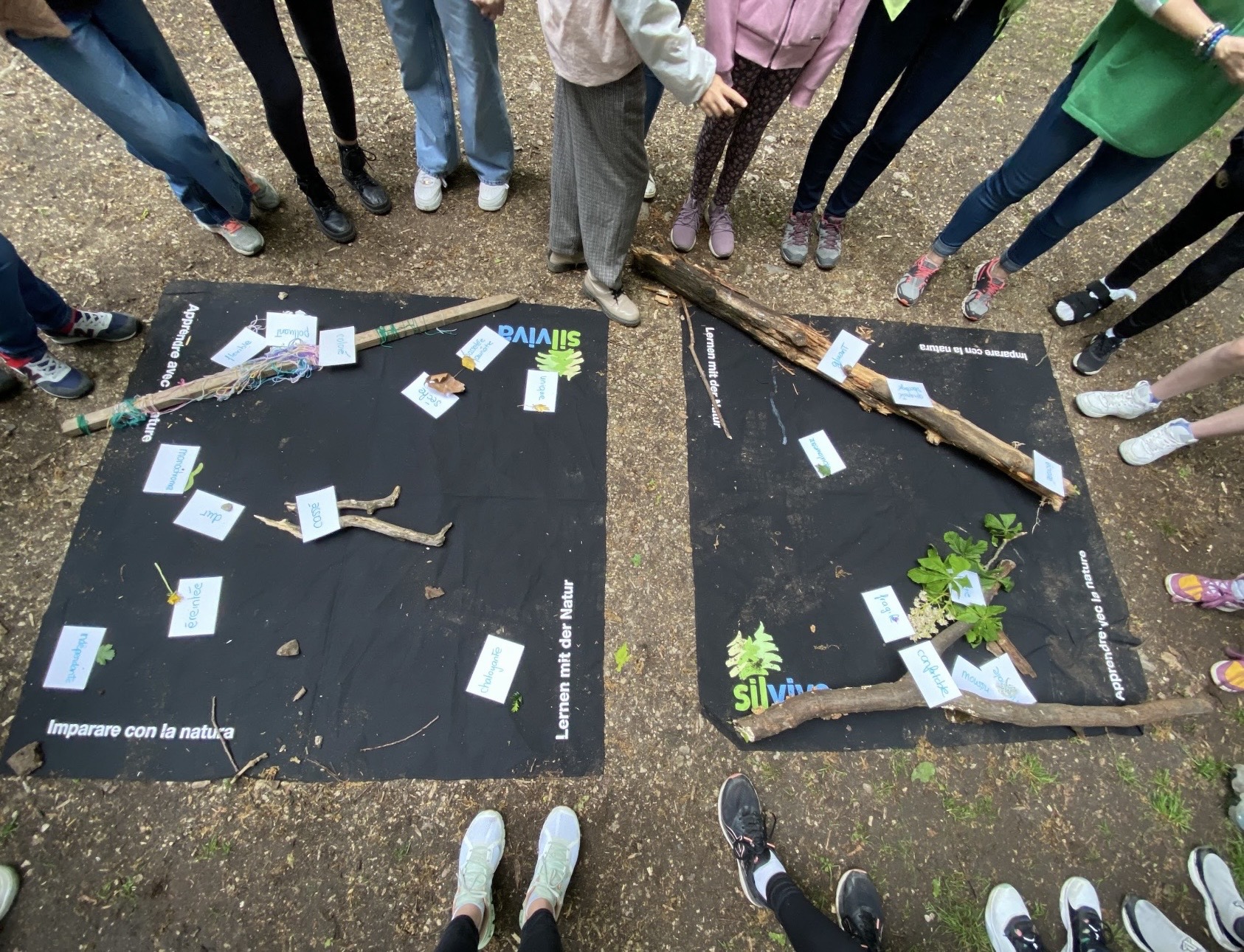
We are committed to the academic standards of the Plan d'études romand (PER), covering all five disciplinary domains: Languages (French and English), Mathematics and Natural Sciences, Social Sciences and Humanities, Arts, and Physical Education. Our students meet rigorous learning objectives while experiencing education in a way that is meaningful, engaging, and deeply personal.
Project-Based Learning
Rather than teaching subjects in isolation, we organize learning around rich, interdisciplinary projects that emerge from student curiosity and real community needs. A project might begin with a question like "How can we create a sustainable garden?" or "What stories do our families carry?" and grow to encompass mathematics, science, literacy, history, art, and more. Students don't just learn about the world, they actively engage with it.
Grounded in Development
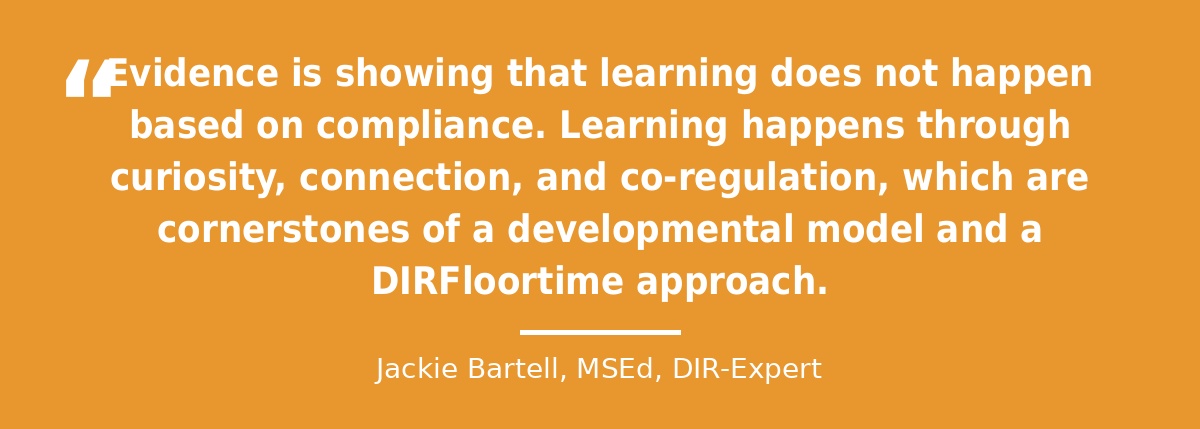
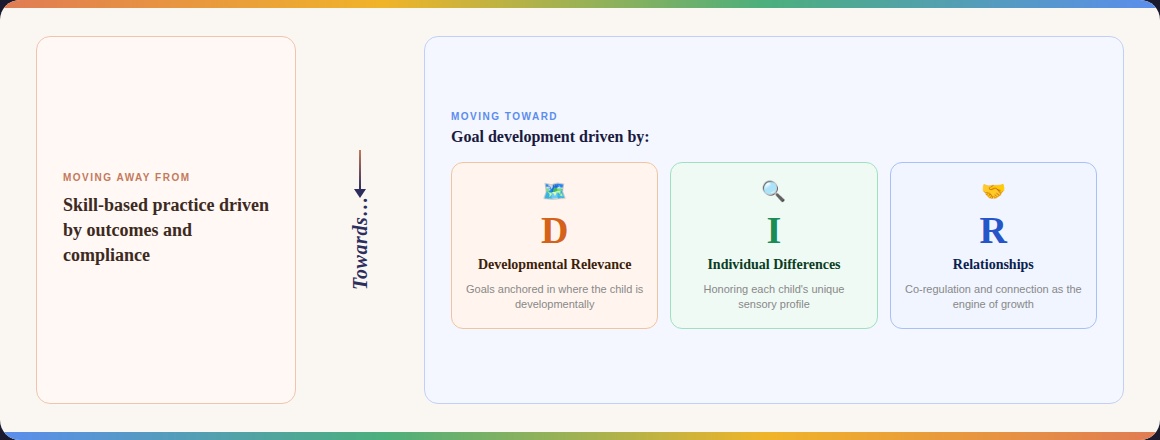
We recognize that learning is not linear. Our approach respects each student's developmental trajectory, understanding that the capacity for emotional regulation, engagement with others, and purposeful communication are the foundations upon which all academic learning is built. We pay close attention to how each student takes in and processes sensory information, relates to others, and thinks, recognizing that these individual differences shape how they learn best. Our teaching builds sequentially from each student's current capacities: first ensuring emotional connection and safety, then fostering back-and-forth interaction and creative problem-solving, and finally supporting increasingly complex and abstract thinking. By meeting students where they are developmentally and supporting their growth across emotional, social, cognitive, and physical domains, we create the conditions for deep, meaningful learning that lasts.
Centered on Relationships
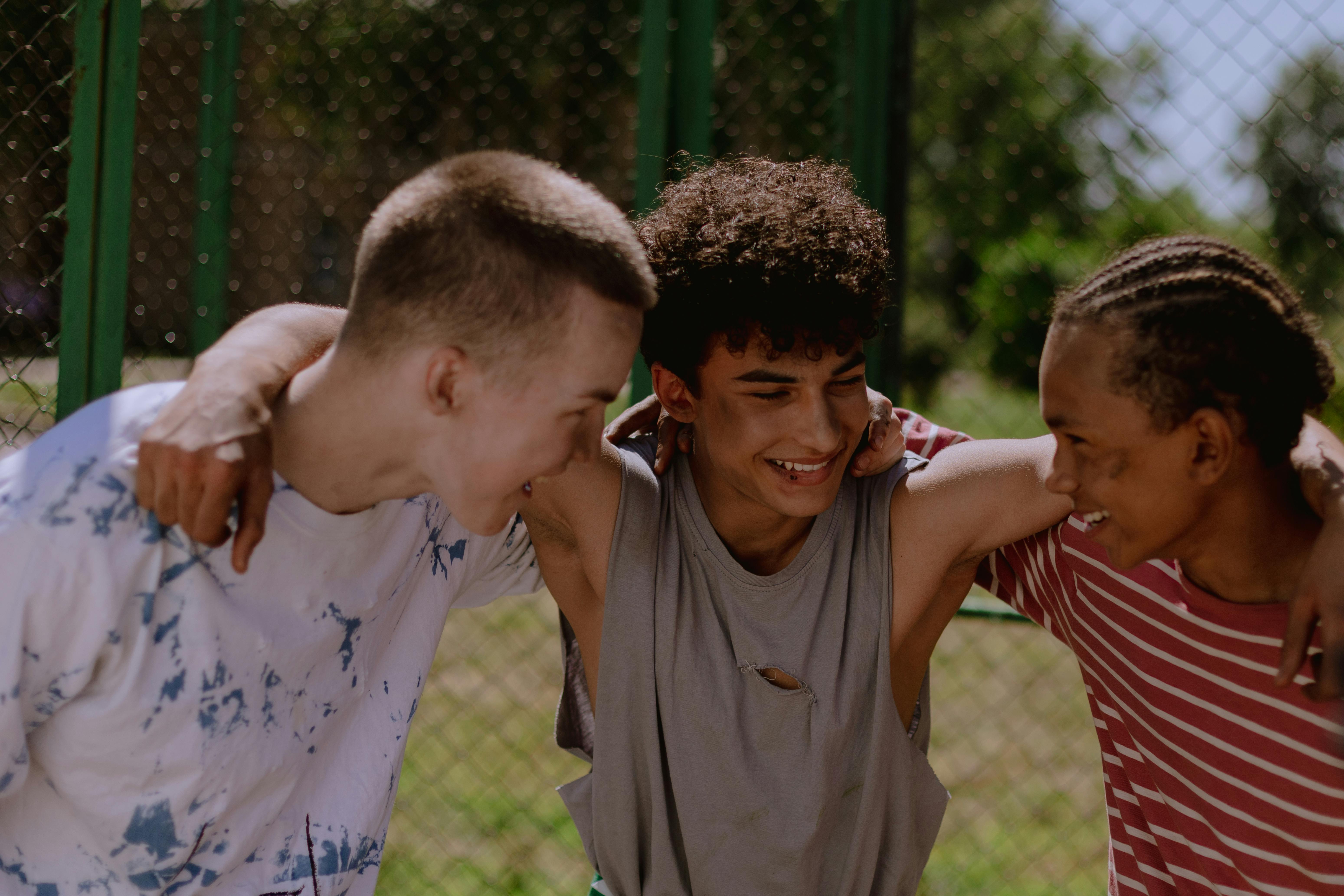
Learning happens through connection. Our educators build deep, trusting relationships with each student, creating the emotional safety necessary for risk-taking, creativity, and authentic engagement. In our small classes, teachers know not just what students are learning, but how they learn, what motivates them, and what support they need to flourish.
Honoring Individual Differences
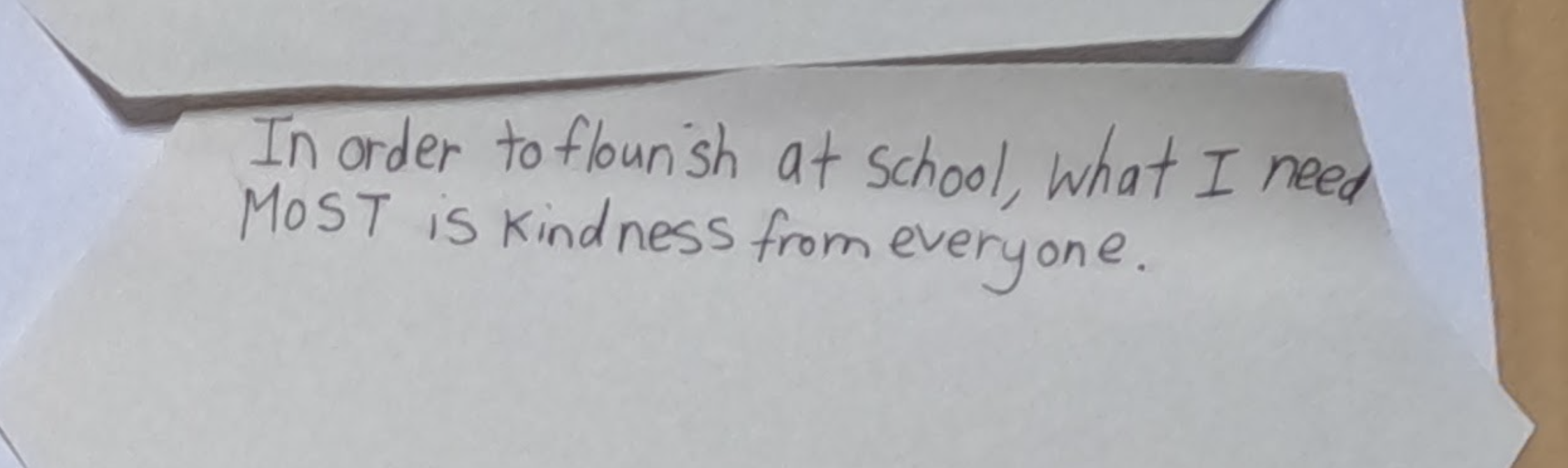
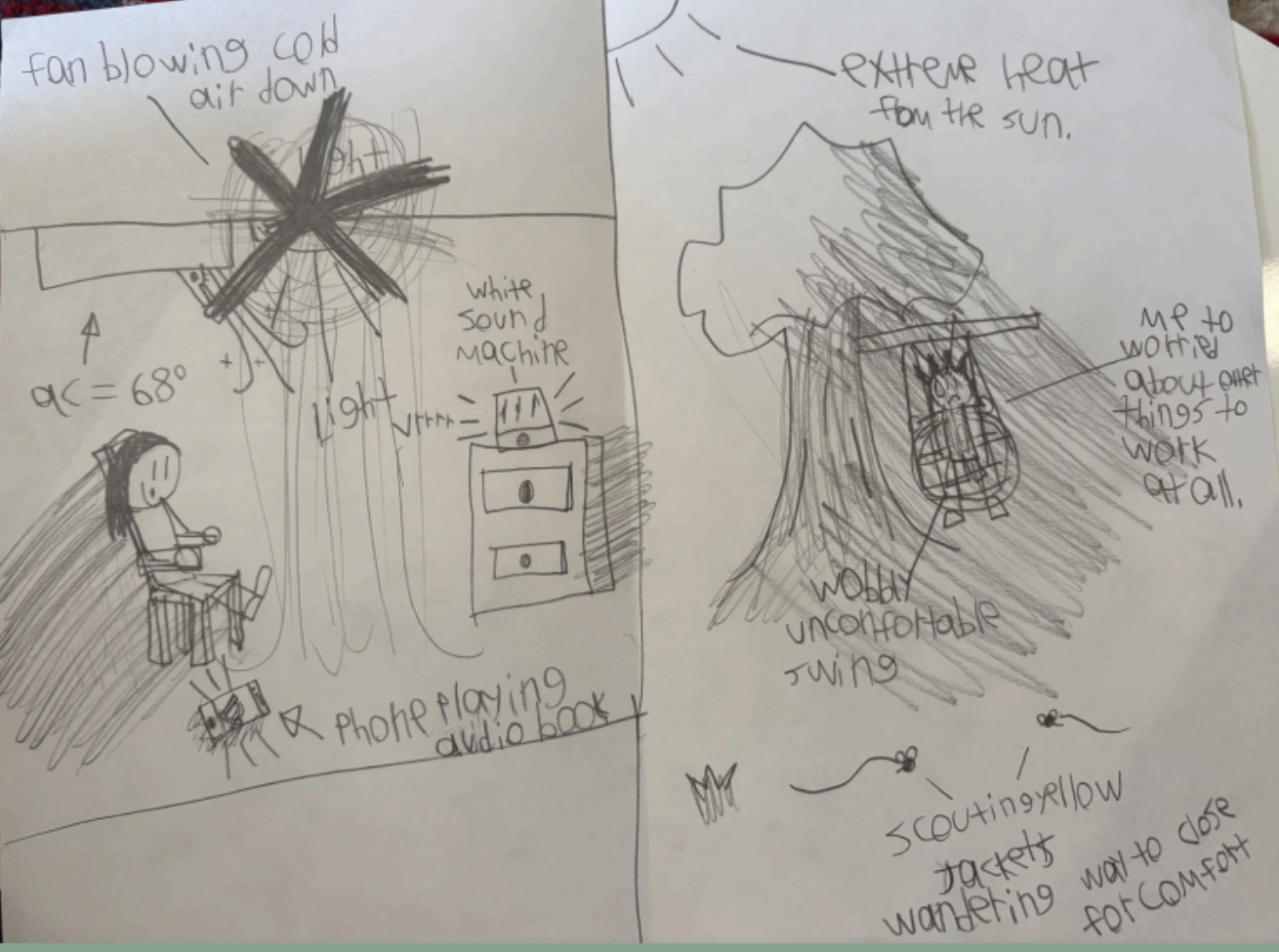
No two students are alike, and our curriculum reflects this reality. Through systematic differentiation, we provide multiple entry points to learning, varied ways to demonstrate understanding, and flexible pacing that allows each student to progress at their own rhythm. However a student learns, they find space to learn in ways that work for them.
Bilingual by Design
Our bilingual French-English program is woven throughout the day, with both languages serving as vehicles for authentic communication and learning. Students develop fluency not through drills, but through meaningful use: discussing projects, presenting findings, going out into the community, collaborating with peers, and engaging with texts and ideas in both languages.
Learning in Nature
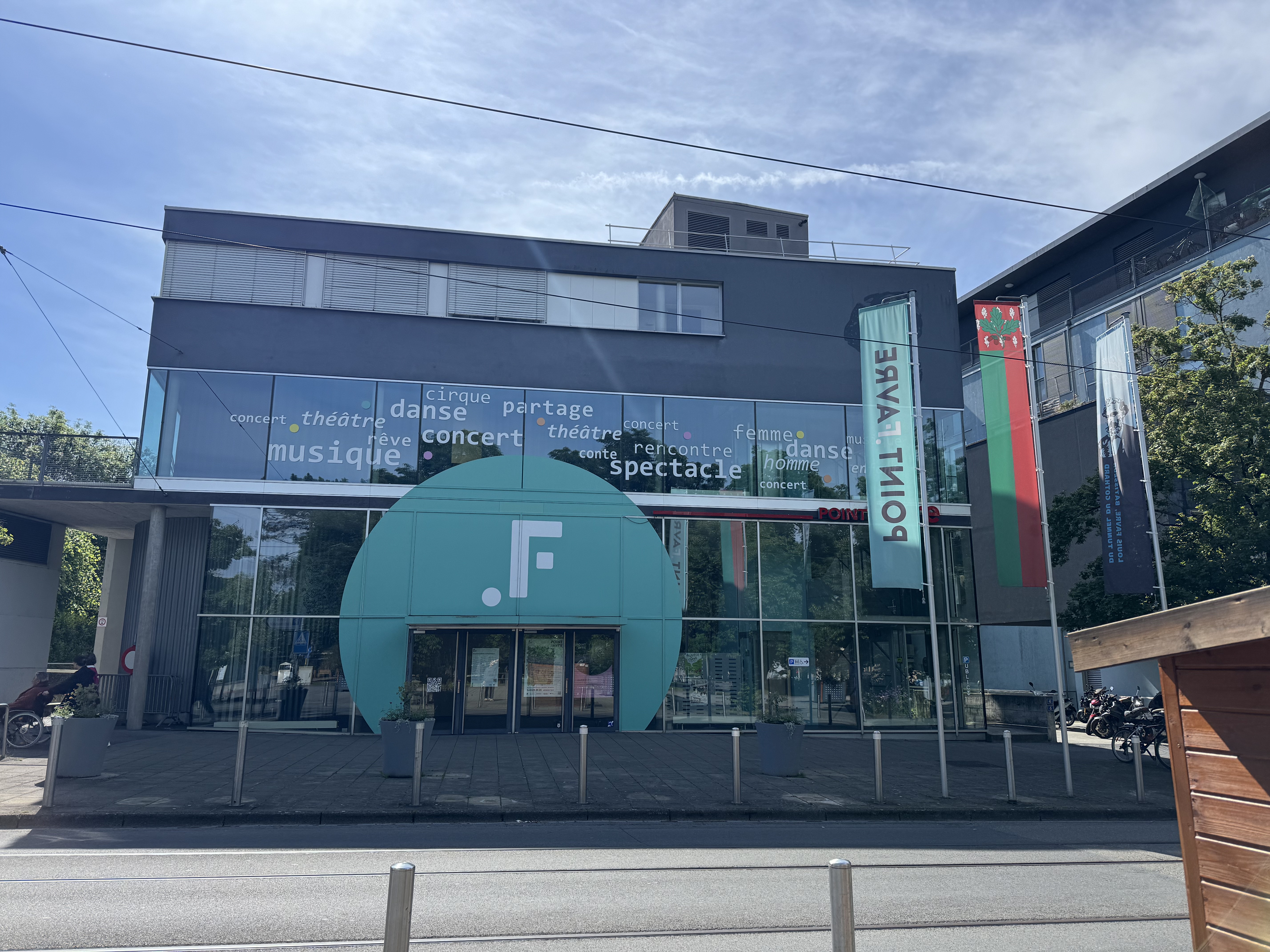
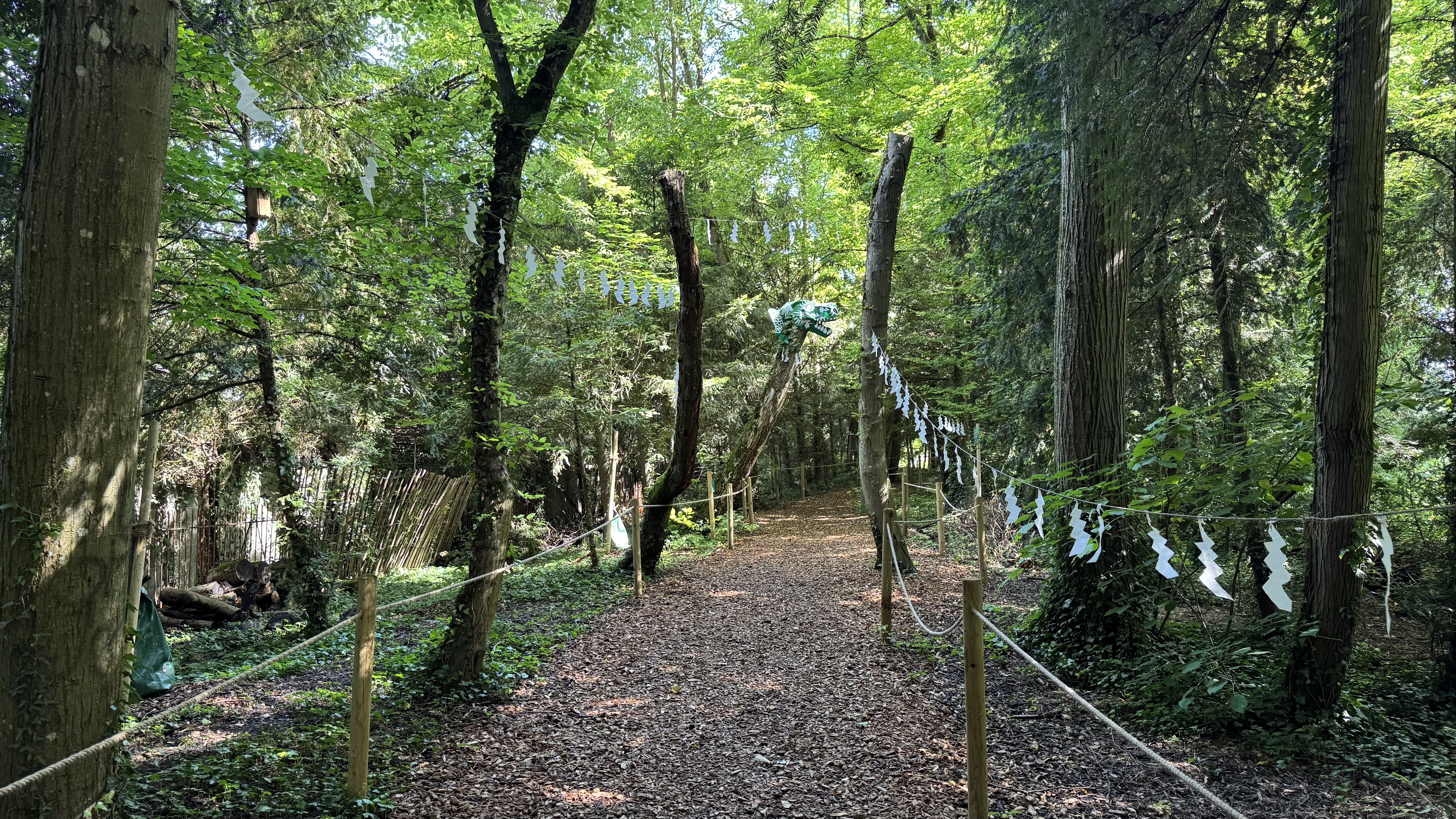
The natural world is our extended classroom. Regular outdoor time is not a reward or a break from learning, it is an essential part of our curriculum. Students observe seasonal changes, conduct scientific investigations, learn academic skills, engage in physical challenges, and find the regulation and peace that time in nature provides.
Assessment that Honors Growth
We assess continuously and holistically, documenting progress through observations, portfolios, student reflections, and presentations. Our goal is not to rank students against each other, but to understand each learner's journey and celebrate their growth. Families receive detailed narratives about their child's development across all domains, with clear connections to PER objectives.
The Result
Students who are curious, confident, and capable. Young people who know how to ask good questions, work collaboratively, think critically, and pursue their passions. Learners who see themselves as valuable members of a community and understand that their unique contributions matter.